
Perimenopause & Menopause
This Menopause Awareness Month, we're opening up a conversation about something that doesn't always get the attention it deserves: the way hormonal changes can influence our skin. For many women, the transition towards menopause can feel like entering unfamiliar territory.
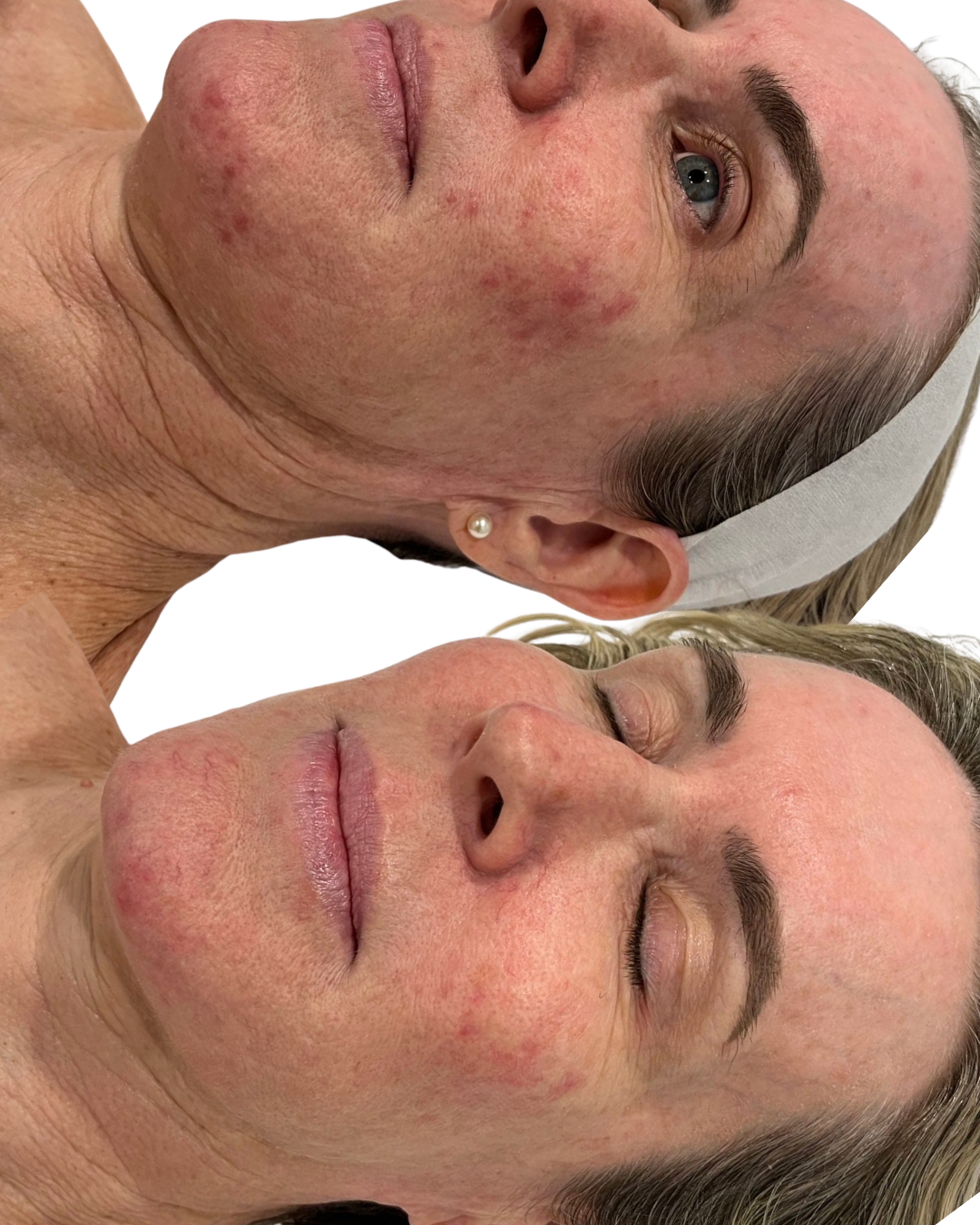
Perhaps your skin has become dryer, your usual products don't seem to be working the way they once did, or you're experiencing breakouts you haven't seen in years. Maybe you've noticed changes in your sleep, energy or menstrual cycle, too. You might find yourself wondering why your body feels different, even when your routine hasn't changed.
So, what's happening to your hormones?
Perimenopause: the transition
Perimenopause is the stage leading up to menopause, when hormone levels begin to fluctuate. It can start years before your final period, and symptoms can vary significantly between women. During this time, you may notice:
Changes in your menstrual cycle.
Increased skin dryness or sensitivity.
Breakouts or changes in oil production.
Changes in skin firmness, texture or elasticity.
Sleep disturbances, mood changes or fluctuations in energy.
Menopause: a new hormonal chapter
As oestrogen levels remain lower, changes in the skin can become more noticeable. You may experience increased dryness, reduced elasticity, changes in collagen and a skin barrier that needs a little more support.
These changes are a natural part of the hormonal transition, but that doesn't mean your skin needs should be approached in the same way throughout every stage of life.
And while hormones can play a role, other factors can contribute to these symptoms, too.
At The Functional Skin Studio, we believe in understanding your skin before deciding what it needs.
Here's what we recommend:
01. Book your Holistic Skin Consultation.
We'll discuss your skin concerns, history and goals to determine the most appropriate approach for you.
02. Receive Your Personalised Skin Plan.
Your facialist will review your skin concerns and consultation findings to help guide your functional skin plan.
Sometimes, the first step is having a conversation, asking questions and understanding what your skin needs now.